Don’t Skip the Dentist: The Importance of Routine Professional Care
Don’t Skip the Dentist: The Importance of Routine Professional Care
In today’s fast-paced world, it’s easy to push routine dental appointments to the bottom of your priority list. Busy schedules, competing responsibilities, and the assumption that “everything feels fine” often lead people to delay or skip visits altogether. However, oral health issues don’t always present immediate or obvious symptoms. What may seem like a minor concern—or nothing at all—can quietly develop into more serious conditions if left unchecked.
Routine dental visits are about far more than just cleaning your teeth. They serve as a critical line of defense against common problems such as cavities, gum disease, and enamel wear, while also allowing dental professionals to detect early signs of more serious health concerns. In many cases, early intervention can prevent discomfort, complex procedures, and costly treatments down the road. Preventive care not only preserves your smile but also saves time, money, and stress in the long term.
Additionally, the connection between oral health and overall well-being is stronger than many people realize. Poor dental health has been linked to broader health issues, including heart disease, diabetes complications, and infections. Regular checkups help ensure that your mouth remains healthy while also supporting your body’s overall health. Dental experts can identify warning signs that may indicate underlying conditions, making these visits an important part of your total healthcare routine.
This article explores the many reasons why professional dental care should never be overlooked. From preventive benefits and early detection to long-term savings and improved quality of life, understanding the value of routine visits can help you make more informed decisions about your health. By prioritizing consistent dental care, you’re not just protecting your smile—you’re investing in your overall well-being.
The Preventive Power of Regular Exams
Regular dental exams are one of the most effective ways to protect your oral health before problems have a chance to develop or worsen. These visits allow dentists to track changes in your teeth and gums over time, identifying subtle warning signs that might otherwise go unnoticed. Even with diligent brushing and flossing at home, certain areas of the mouth are difficult to clean thoroughly, making professional exams and cleanings an essential part of comprehensive care.
Modern dental practices utilize advanced technology to enhance the accuracy and depth of these examinations. Diagnostic tools such as digital X-rays and imaging systems can reveal issues beneath the surface, including impacted teeth, bone loss, or early-stage decay. This level of insight allows for proactive treatment, helping patients avoid painful conditions and unexpected dental emergencies down the line.
Additionally, regular exams provide an opportunity to address minor concerns—such as sensitivity or early gum irritation—before they escalate into more serious complications. For individuals with higher risk factors, including genetics, smoking, or certain medical conditions, these checkups are especially important. By combining routine monitoring, professional cleaning, and personalized guidance, dental exams serve as a powerful tool in maintaining long-term oral health and preventing costly interventions.
Why Children’s Dental Care Should Not Be Overlooked
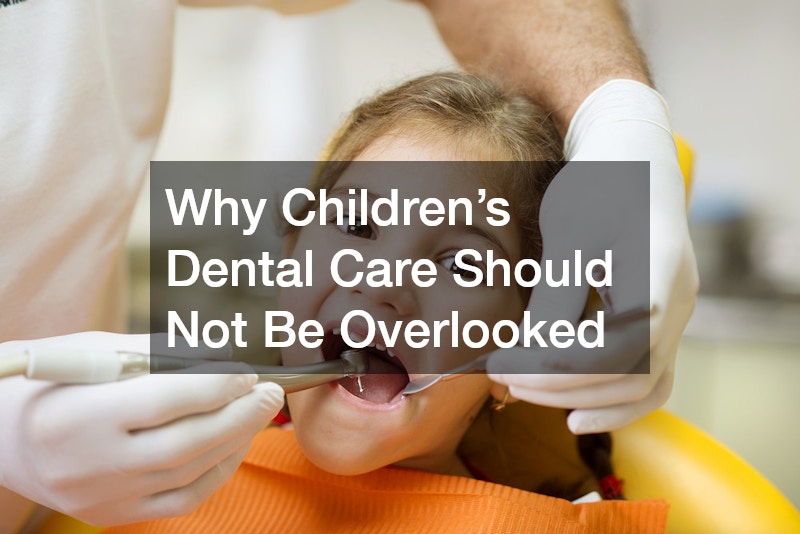
Establishing strong dental habits early in life is one of the most effective ways to ensure long-term oral health, making regular visits to a children’s dentist incredibly important. Children’s teeth, including both primary (baby) and developing permanent teeth, are more vulnerable to cavities and decay due to thinner enamel and evolving hygiene habits. By introducing routine dental care at a young age, parents can help their children understand the importance of brushing, flossing, and maintaining a healthy diet—all of which contribute to lifelong oral health.
Early dental visits also allow professionals to monitor a child’s oral development closely. Dentists can identify potential concerns such as misaligned teeth, bite issues, or delayed tooth eruption before they become more serious problems. Addressing these issues early often leads to simpler, less invasive treatments and can reduce the need for more extensive procedures later in life. Preventive care, including cleanings, fluoride treatments, and sealants, adds an extra layer of protection during these critical developmental years.
Another key benefit of early and consistent dental visits is the opportunity to build comfort and familiarity with the dental environment. Children who regularly visit the dentist are more likely to feel at ease during appointments, reducing anxiety and fear that can persist into adulthood. Positive early experiences help shape a child’s perception of dental care, turning it into a routine part of their health rather than something to avoid.
In addition, pediatric dental offices are often designed to be welcoming and engaging, using kid-friendly language, visuals, and tools to educate young patients. These environments make learning about oral health interactive and enjoyable, encouraging children to take an active role in caring for their teeth. Parents also benefit from professional guidance on topics such as teething, thumb-sucking, and proper brushing techniques tailored to their child’s needs.
Ultimately, prioritizing children’s dental care lays the groundwork for a lifetime of healthy smiles. By instilling good habits, addressing issues early, and creating positive associations with dental visits, parents can help their children develop the confidence and knowledge needed to maintain excellent oral health well into adulthood.
The Cosmetic Role of Routine Care
Cosmetic dentistry isn’t just about appearance; it plays a crucial role in overall dental health. Procedures such as teeth whitening, veneers, and bonding can improve not only the aesthetics but also the functionality of teeth. By incorporating cosmetic elements into regular dental care, patients can achieve both health and confidence in their smiles.
Many dental offices now integrate cosmetic solutions as part of their regular services, using state-of-the-art dental equipment to provide optimal results. This integration ensures that any underlying issues are addressed alongside cosmetic improvements, offering a comprehensive care package. Such synergy between care and cosmetics is pivotal for maintaining long-term oral health.
Cosmetic solutions also positively impact mental health, increasing self-esteem and social interaction. However, it’s essential to approach these procedures with a sound understanding provided by a professional dental team. Properly executed cosmetic dentistry can prevent later complications and enhance both aesthetics and health.
Addressing and Understanding Gum Issues
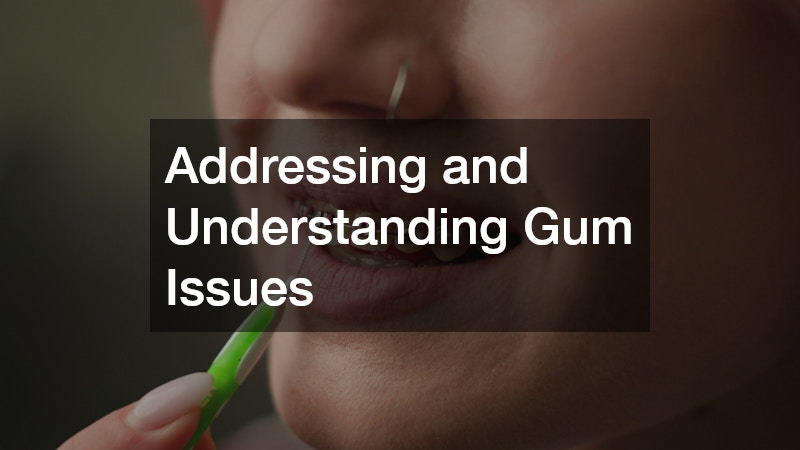
Gum pain can be an early indicator of gum disease, an issue that can escalate quickly without proper intervention. It often signifies inflammation or infection, which can deteriorate oral health if left untreated. Routine dental care helps in early detection and management, preventing long-term implications.
During a dental exam, professionals can determine the root causes of gum pain and provide treatments accordingly. Interventions might range from improved brushing techniques to more intensive cleanings. Delaying dental care increases the risk of requiring more invasive procedures later, such as emergency dental surgery.
The dental office is equipped to handle such issues efficiently, providing relief and reducing future risks. Regular monitoring and professional care are vital to managing gum health and overall dental well-being. Consistent attention to gum pain and related symptoms can significantly improve life quality and oral health longevity.
Emergencies and the Importance of Preparedness
Dental emergencies can be sudden and painful, necessitating immediate professional intervention. Being prepared for emergencies, such as a broken tooth or sudden, unbearable gum pain, is crucial. Regular dental care routines can often help prevent these emergencies by detecting potential issues early.
A well-equipped dental office is ready to handle an array of emergency dental surgeries should unexpected issues arise. Planning regular visits helps ensure that your dental team is familiar with your dental history, which facilitates faster and more effective treatment during emergencies. In turn, this can lessen recovery times and improve outcomes.
The expertise of your dentist can make the difference between a minor inconvenience and a major medical intervention. By maintaining an ongoing relationship with your dental care provider, you ensure that they have the necessary history and context to provide the best care possible. This ongoing connection is your first line of defense against unexpected dental issues.
The Misconceptions Surrounding Routine Dental Care
Many people underestimate the importance of routine dental care due to common misconceptions that can ultimately lead to serious oral health issues. One of the most widespread beliefs is that dental visits are only necessary when pain or visible problems arise. In reality, many dental conditions—such as cavities, gum disease, and even infections—develop silently in their early stages. By the time symptoms become noticeable, the issue may already require more complex and costly treatment. Preventive care is designed specifically to catch these problems early or stop them from developing altogether.
Another frequent misunderstanding revolves around cost. Some individuals avoid regular dental visits in an effort to save money, not realizing that this approach often leads to higher expenses over time. Routine check-ups and cleanings are relatively affordable compared to procedures like root canals, crowns, or extractions that may become necessary if problems are ignored. In this sense, consistent dental care is not an added expense but a strategic investment that helps minimize long-term financial and physical burdens.
There is also a misconception that maintaining good oral hygiene at home eliminates the need for professional care. While brushing and flossing are essential, they cannot fully replace the thorough cleaning and detailed examination provided by dental professionals. Plaque and tartar can build up in hard-to-reach areas, and only specialized tools and trained expertise can effectively address these concerns. Regular visits ensure that your oral health is being evaluated comprehensively, beyond what is possible at home.
Additionally, fear or anxiety about dental procedures can discourage people from scheduling appointments. However, modern dentistry has advanced significantly, offering more comfortable, efficient, and minimally invasive treatments than ever before. Building a relationship with a trusted dental provider can help ease these concerns, making visits more manageable and even routine over time.
By recognizing and addressing these misconceptions, patients can take a more proactive approach to their oral health. Understanding that routine dental care is preventative, cost-effective, and essential empowers individuals to make informed decisions. Ultimately, shifting this mindset leads to healthier smiles, fewer complications, and a greater sense of confidence in maintaining long-term well-being.
The Comprehensive Impact of Dental Care on Overall Health
Oral health is intricately linked to overall health, affecting conditions such as heart disease and diabetes. Regular dental care can help detect early signs of systemic problems, allowing for timely medical intervention. Maintaining good dental health contributes to reducing the risk of serious health conditions.
Infections like periodontal disease have been linked to cardiovascular complications, highlighting the importance of diligent care. Routine visits provide the opportunity to monitor changes and catch signs of trouble early. By maintaining oral health, individuals can have a significant positive impact on their overall health profile.
Moreover, healthy teeth and gums contribute to proper nutrition and mental well-being. The benefits of consistent dental care are far-reaching, reinforcing its importance beyond mere aesthetics. Through awareness and proactive management, patients can bridge the gap between dental health and holistic wellness.
Strategies for Effective Routine Dental Care
Implementing effective dental care strategies can lead to healthier outcomes and fewer issues over time. Adopting proper brushing and flossing techniques and using fluoride toothpaste can significantly enhance daily care routines. Regularly scheduled dental office visits complement these efforts, offering professional insights and interventions.
Engaging in good habits can also reduce the severity of issues like gum pain or decay between appointments. A balanced diet rich in calcium and vitamin D supports strong teeth and overall oral health. Discussing personalized care strategies with your dental provider can optimize your approach to dental maintenance.
Technological advancements in dental equipment have made it easier to maintain oral health efficiently. Incorporating these tools into your routine ensures you benefit from the latest in dental care. Remain vigilant about your oral health habits and align them with professional advice for the best results.
Concluding Thoughts on Routine Dental Visits
Routine dental visits provide a multitude of benefits that extend far beyond simple tooth maintenance. By adhering to a schedule of regular check-ups and preventative care, patients can ensure long-term oral and systemic health. Dental care is a proactive approach to overall wellness, paving the way for a healthier future.
Trust in professional guidance and remain dedicated to your dental care routine to reap the full benefits. Through consistent attention and the help of experienced dentists, oral health challenges can be effectively managed. It is an investment that pays dividends in comfort, health, and quality of life.
Ultimately, regular engagement with dental professionals ensures that your smile remains healthy and confident. Make dental visits a priority and gain peace of mind knowing your oral health is in capable hands. Don’t wait for problems to arise; take control of your dental health today.