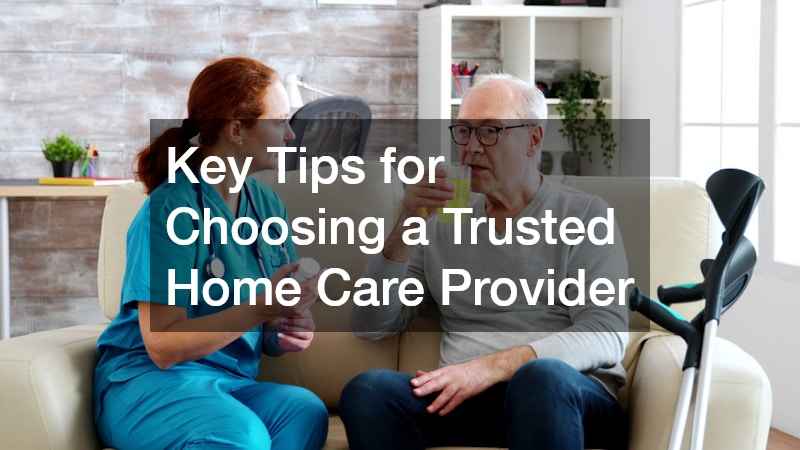
Key Tips for Choosing a Trusted Home Care Provider
Choosing a home care provider impacts the comfort, safety, and quality of life for loved ones. Understanding qualifications, reputation, service offerings, costs, and safety measures is essential in making informed decisions for high-quality care.
Evaluating these factors helps in selecting a trusted provider that meets practical and emotional needs.
What Qualifications Should a Home Care Provider Have?
Certification and Licenses
Check a provider’s certification and state-specific licenses to ensure they meet industry standards. Verify these are current, as they reflect quality care adherence. A certified provider demonstrates overall quality and reliability. Also, ensure caregivers have relevant certifications like CPR or first aid, which are crucial for specialized care. Continuing education and updated certifications can greatly enhance the caregiver’s skillset and service quality.
Staff Training and Experience
The caregiver staff’s training and experience impact the quality of care. Inquire about training programs and ongoing education. Experienced caregivers enhance anticipation of care issues and emergency response. Evaluating caregiver proficiency provides insights into their ability to meet complex care needs. Regular training upgrades ensure caregivers stay informed about the latest care techniques and technologies.
How to Evaluate the Reputation of a Home Care Provider?
Reading Reviews and Testimonials
Reviews and testimonials offer insights into a provider’s service and client satisfaction. They reveal professionalism, reliability, and compassion. Detailed reviews can also provide glimpses into the real experiences of other clients, offering a deeper understanding of what to expect. Analyze patterns in reviews to gauge service strengths and weaknesses. Consider the authenticity of reviews by checking multiple platforms or sources for consistency. Additionally, consider the recency of reviews to ensure that the feedback reflects current service quality.
Researching Company Background
Research a provider’s history, mission, leadership, and affiliations to ensure stability and alignment with your values. Awards, recognitions, and community involvement indicate service quality. A thorough background check can reveal the company’s growth and adaptation to market changes. Address any past issues or legal challenges transparently, ensuring a reliable provider choice. A company’s commitment to innovation can also be a key indicator of their service quality.
What Services Are Essential for My Needs?
Identifying Required Care Needs
Identify your loved one’s specific care needs, from basic assistance to medical care. Customization and flexibility in services are vital. Regular assessments of care needs are crucial as they may change over time. Understand potential future needs to ensure provider capability for evolving care requirements. Discussing foreseeable challenges with professionals can guide better service decisions.
Understanding Service Customization
Service customization addresses unique client needs. Providers should adapt services to specific conditions and personal preferences. Collaborative planning and adjustments demonstrate client-centered care and enhanced satisfaction. Frequent feedback and dynamic planning adjustments signify that the provider values client satisfaction.
Incorporating technology, such as apps for service management or communication platforms, can further personalize the experience and streamline client-provider interactions.
How Much Does Home Care Typically Cost and How to Manage It?
Understanding Service Pricing
Understand pricing structures and obtain cost breakdowns for effective financial planning. Be aware of additional fees and check for bundled services for economical options. Transparent pricing aids accurate budgeting. It’s essential to discuss any possible changes in fees to avoid unexpected financial burdens.
Exploring Payment and Insurance Options
Explore payment methods, government aid, insurance, and provider partnerships for cost management. Discuss payment forms and insurance collaborations. Providers offering financing solutions can ease financial pressures. Understanding the fine print in insurance coverage ensures expected services are fully covered.
How to Ensure Safety and Security with Home Care?
Conducting Thorough Background Checks
Conduct comprehensive background checks on caregivers for safety assurance. Choose agencies that prioritize screenings as part of hiring, ensuring trustworthy caregivers. Seek transparency in vetting processes. A stringent vetting process builds trust and provides peace of mind to families.
Monitoring and Communication
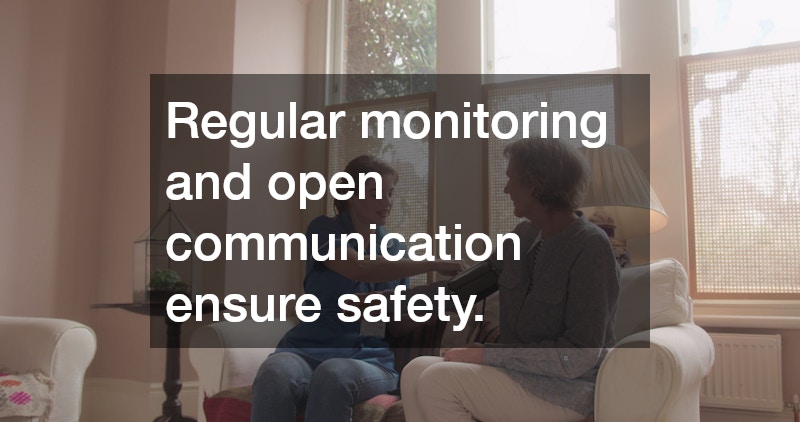
Regular monitoring and open communication ensure safety. Providers should employ check-ins, care logs, and home visits. Establish clear communication channels and use technology for tracking care benchmarks. Promptly addressing any concerns or incidents helps maintain high standards of care.
Selecting a home care provider requires careful evaluation of their qualifications, reputation, and customization capabilities. Align financial aspects with needs and expectations, and emphasize background checks and communication for safety. This approach safeguards and nurtures loved ones’ well-being.